
Economic indicators are critical tools for anyone involved in Forex trading. These indicators offer valuable insights into a country’s economic health, influencing currency values and providing traders with the information needed to make informed decisions. For Forex traders, understanding and interpreting these indicators can mean the difference between success and failure. This comprehensive guide will explore the most important economic indicators, how they impact the Forex market, and strategies for incorporating them into your trading routine.
1. Introduction to Economic Indicators
Economic indicators are statistical data points that reflect the economic performance of a country. These indicators are regularly published by government agencies, central banks, and other authoritative bodies. For Forex traders, economic indicators are essential because they provide the data that drives currency prices. By understanding what these indicators represent and how they influence the market, traders can make better predictions and more informed trading decisions.
2. The Role of Economic Indicators in Forex Trading
In Forex trading, economic indicators serve as signals of a country’s economic strength or weakness. Since currencies are traded in pairs, understanding the relative economic standing of each currency’s country is crucial. For example, if the U.S. economy is growing faster than the Eurozone’s economy, you might expect the U.S. dollar to strengthen against the euro.
Forex traders use economic indicators to:
Predict Currency Movements: By anticipating how the market will react to certain economic data, traders can position themselves to benefit from the expected price movement.
Gauge Economic Health: Indicators provide a snapshot of the overall economic situation, helping traders determine whether a currency is likely to appreciate or depreciate.
Plan Trading Strategies: Economic indicators can help traders decide when to enter or exit trades, optimizing their strategies based on the latest data.
3. Key Economic Indicators Every Forex Trader Should Know
Understanding the most influential economic indicators is essential for any Forex trader. Below, we explore some of the key indicators that have the most significant impact on currency markets.
Gross Domestic Product (GDP)
What It Is: GDP represents the total value of all goods and services produced within a country over a specific period. It is a broad measure of a country’s economic activity and health.
Impact on Forex: A higher-than-expected GDP reading typically strengthens a country’s currency, as it signals a robust economy. Conversely, a lower-than-expected GDP can weaken the currency.
Example: Suppose the U.S. releases its quarterly GDP report showing a significant increase compared to the previous quarter. In this case, traders might anticipate a strengthening of the USD, especially against weaker currencies.
Inflation Data (CPI, PPI)
What It Is: Inflation data, including the Consumer Price Index (CPI) and Producer Price Index (PPI), measures the rate at which prices for goods and services are rising. CPI reflects consumer prices, while PPI reflects wholesale prices.
Impact on Forex: High inflation can erode a currency’s value, leading central banks to raise interest rates to curb inflation. Higher interest rates typically strengthen the currency.
Example: If the European Central Bank (ECB) signals that inflation is rising too quickly, traders might expect the ECB to raise interest rates, which could strengthen the euro.
Employment Data (NFP, Unemployment Rate)
What It Is: Employment data includes reports like the Non-Farm Payrolls (NFP) in the U.S. and unemployment rates. These indicators reflect the labor market’s strength, which is closely tied to economic health.
Impact on Forex: Strong employment data usually boosts a currency’s value as it signals economic stability and growth. Poor employment data, on the other hand, can weaken the currency.
Example: On the first Friday of every month, the U.S. releases its NFP report. A higher-than-expected NFP figure could lead to a rise in the USD, as it suggests robust economic growth.
Interest Rates (Central Bank Policies)
What It Is: Central banks, such as the Federal Reserve (Fed) in the U.S. or the Bank of England (BoE), set interest rates to control monetary policy. Interest rates influence the cost of borrowing and are a direct reflection of a country’s economic policy.
Impact on Forex: Higher interest rates generally strengthen a currency because they offer higher returns on investments in that currency. Lower rates can weaken the currency.
Example: If the Fed unexpectedly raises interest rates, traders might expect an immediate strengthening of the USD, as investors seek to capitalize on higher returns.
Trade Balance
What It Is: The trade balance measures the difference between a country’s exports and imports. A surplus occurs when exports exceed imports, while a deficit occurs when imports exceed exports.
Impact on Forex: A trade surplus typically strengthens a currency because it indicates that a country is selling more goods and services than it is buying, increasing demand for its currency. A trade deficit can weaken the currency.
Example: If Japan reports a growing trade surplus, the JPY might strengthen as the demand for Japanese goods and services, and consequently its currency, increases.
Retail Sales
What It Is: Retail sales data reflect the total sales of goods by retailers within a country and is a key indicator of consumer spending.
Impact on Forex: Strong retail sales suggest a healthy economy and can boost a currency’s value. Weak retail sales might indicate economic trouble, leading to a depreciation of the currency.
Example: A significant increase in U.K. retail sales could lead to a stronger GBP, as it suggests that consumer spending, a major component of economic growth, is on the rise.
Consumer Confidence Index (CCI)
What It Is: The CCI measures the level of consumer optimism regarding the state of the economy. A high CCI indicates that consumers are confident about their economic prospects, leading to increased spending.
Impact on Forex: A higher CCI generally strengthens the currency as it signals robust consumer spending. A declining CCI could weaken the currency.
Example: If the U.S. Consumer Confidence Index reaches new highs, traders might anticipate an appreciation of the USD, driven by expected increases in consumer spending.
Purchasing Managers’ Index (PMI)
What It Is: PMI is an indicator of the economic health of the manufacturing and services sectors. It is based on surveys of purchasing managers in these industries and is an early signal of economic activity.
Impact on Forex: A PMI above 50 typically strengthens the currency as it indicates expansion in the sector, while a PMI below 50 suggests contraction and potential currency weakness.
Example: If the Eurozone PMI unexpectedly jumps above 50, indicating expansion, the EUR might strengthen as traders anticipate continued economic growth.

4. How Economic Indicators Affect Forex Markets
Understanding how economic indicators affect Forex markets is crucial for traders looking to capitalize on currency movements. Economic indicators can cause significant volatility in the Forex market, especially when the actual data deviates from market expectations.
Case Studies: Real-World Examples
Brexit and the GBP: The uncertainty surrounding Brexit negotiations in 2016 caused significant fluctuations in the GBP/USD pair. Economic indicators such as GDP growth, inflation, and trade balances were closely monitored by traders to gauge the impact of Brexit on the U.K. economy. During this period, any positive economic data was often met with a strengthening of the GBP, while negative data led to sharp declines.
The U.S. Fed’s Interest Rate Hikes (2015-2018): The period of gradual interest rate hikes by the Federal Reserve had a profound impact on the USD. As the Fed signaled its intention to raise rates, traders began pricing in these expectations, leading to a steady appreciation of the USD against major currencies like the EUR and JPY. Each release of economic data related to inflation and employment was scrutinized to anticipate the Fed’s next move.
5. Strategies for Trading with Economic Indicators
Incorporating economic indicators into your trading strategy can significantly improve your trading outcomes. Here are some approaches to consider:
Fundamental Analysis
Fundamental analysis involves analyzing economic indicators, political events, and other macroeconomic factors to predict currency movements. Traders who use fundamental analysis focus on understanding the underlying economic conditions that influence currency values.
Example Strategy: A trader might use the NFP report to gauge the strength of the U.S. economy. If the NFP report shows strong job growth, the trader might decide to buy USD against weaker currencies like the EUR or JPY, expecting the USD to appreciate.
Technical Analysis Combined with Economic Indicators
While fundamental analysis focuses on economic data, technical analysis uses historical price data to predict future movements. Combining the two can provide a more comprehensive trading strategy.
Example Strategy: A trader might use technical analysis to identify a strong support level in the USD/JPY pair. If a favorable economic indicator, such as a positive CPI report, is released around the same time, the trader might decide to enter a long position, anticipating a strong upward movement.
Trading the News
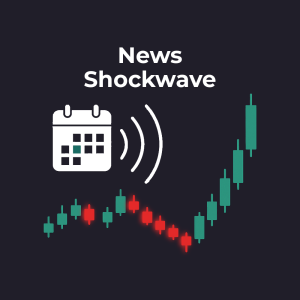
Trading the news involves taking positions in anticipation of or immediately following the release of significant economic indicators. This strategy can be risky due to the high volatility that often accompanies major news events, but it can also be highly profitable.
Example Strategy: A trader might anticipate that the ECB will lower interest rates based on recent weak economic data. The trader could enter a short position on the EUR/USD pair before the announcement, expecting the EUR to depreciate after the rate cut is confirmed.

6. Common Mistakes in Using Economic Indicators
Even experienced traders can fall into common traps when using economic indicators. Understanding these pitfalls can help you avoid costly mistakes.
Over-reliance on a Single Indicator
One of the biggest mistakes traders make is relying too heavily on a single economic indicator. While indicators like GDP or NFP are important, they are just one piece of the puzzle.
Example: A trader might see a strong GDP report and assume the currency will rise, ignoring other factors like geopolitical risks or central bank policies that could counteract the positive data.
Ignoring the Bigger Picture
Economic indicators should be interpreted within the broader context of the overall economy and market conditions. Focusing too narrowly on a single data point can lead to poor trading decisions.
Example: A trader might see a positive inflation report and immediately buy the currency, without considering that the central bank may have already priced in this data, or that other negative indicators are weighing on the currency.
Emotional Trading
Letting emotions dictate trading decisions is a common mistake, especially when reacting to economic indicators. Sudden market movements can trigger fear or greed, leading to impulsive trades.
Example: After seeing an unexpected spike in the unemployment rate, a trader might panic and sell off their positions, only to see the market recover as other traders assess the broader economic context.
7. Conclusion: Mastering Economic Indicators for Forex Trading Success
Economic indicators are a vital part of any Forex trader’s toolkit. By understanding what these indicators represent, how they affect the Forex market, and how to incorporate them into your trading strategy, you can significantly improve your trading performance. Remember that while economic indicators provide valuable insights, they should be used in conjunction with other forms of analysis and a disciplined trading strategy. As you become more proficient in interpreting these indicators, you’ll find that they can indeed be a powerful ally in your quest for Forex trading success. Understanding Economic Indicators: A Trader’s Guide to Forex Success
Economic indicators are the most basic tool available to any trader in Forex trading. Economic indicators give information on a country’s economy, directly or indirectly affecting the values of currencies and enabling a trader to make a decision. To the Forex traders, this ability to understand and interpret the various economic indicators makes a big difference between success and failure.
This extensive guide will explain the most relevant economic indicators to traders, how they influence the Forex market, and how you could incorporate them into your trading schedule.
