
Forex trading is one of the most popular and widely traded financial activities in the world. Every day, trillions of dollars move through the global foreign exchange market as governments, banks, corporations, and individual traders exchange currencies. For beginners, Forex trading can appear complex at first, but once the fundamentals are understood, it becomes a structured and accessible market.
This guide explains what Forex trading is, how the Forex market works, who participates in it, and how beginners can get started safely and effectively. It is designed to provide a complete foundation for anyone new to Forex trading.
What Is Forex Trading?
Forex trading, also known as foreign exchange trading or FX trading, is the process of buying one currency while simultaneously selling another. Currencies are traded in pairs, and traders aim to profit from changes in exchange rates between those currencies.
For example, when trading the EUR/USD currency pair, a trader is buying euros and selling US dollars, or selling euros and buying US dollars, depending on their market outlook. If the value of the euro increases relative to the US dollar after the trade is opened, the trader may earn a profit. If it decreases, the trader may incur a loss.
Forex trading exists because currencies constantly change in value due to economic conditions, interest rates, political events, global trade, and market sentiment. These continuous fluctuations create opportunities for traders to speculate on price movements.
How the Forex Market Works
The Forex market operates as a global network rather than a centralized exchange. Unlike stock markets, there is no single physical location where Forex trading takes place. Instead, transactions occur electronically between participants across the world.
Currency Pairs Explained
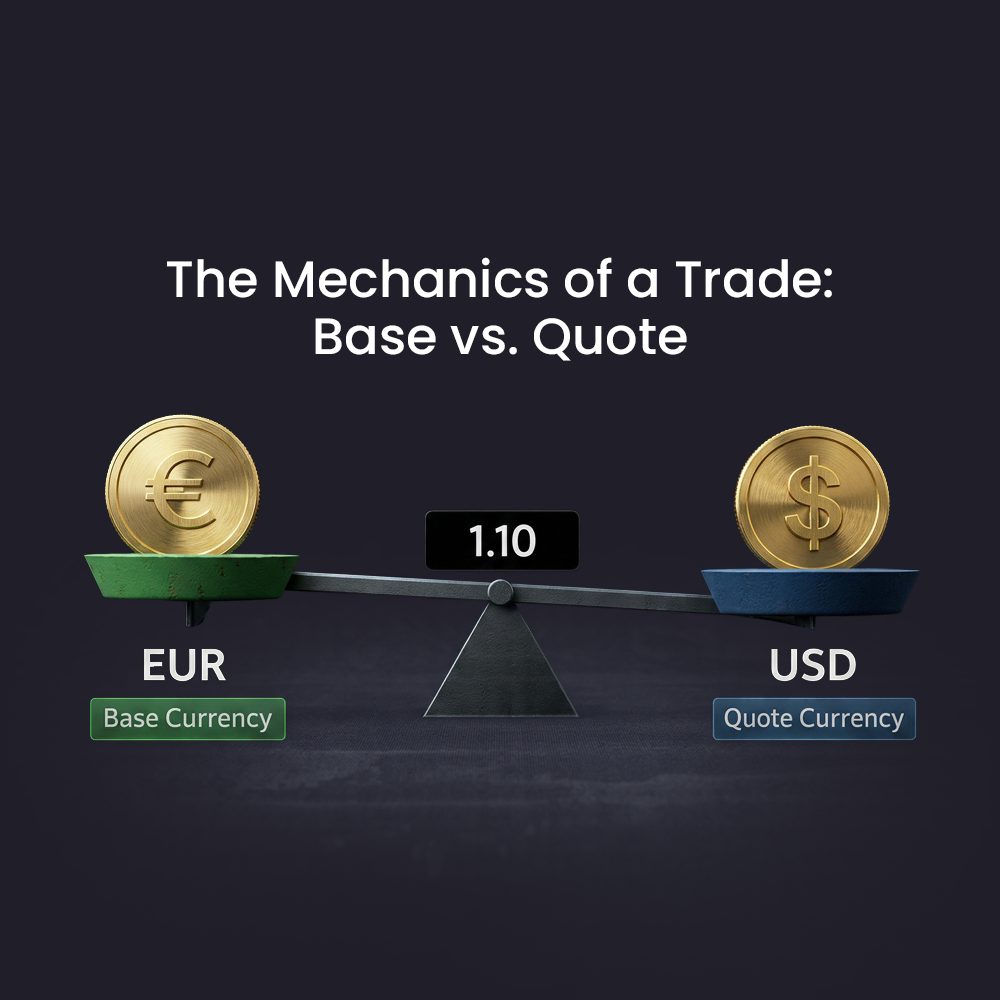
All Forex trades involve currency pairs. Each pair consists of two currencies:
-
The base currency, which appears first
-
The quote currency, which appears second
The exchange rate shows how much of the quote currency is required to buy one unit of the base currency.
For example:
-
EUR/USD = 1.1000 means one euro is worth 1.10 US dollars
If the exchange rate rises, the base currency is strengthening. If it falls, the base currency is weakening relative to the quote currency.
Bid Price, Ask Price, and Spread
Every currency pair has two prices:
-
Bid price: the price at which the market buys the base currency
-
Ask price: the price at which the market sells the base currency
The difference between the bid and ask price is called the spread. The spread represents the cost of trading and is one of the primary ways Forex brokers earn revenue.
Lower spreads generally mean lower trading costs, which is especially important for active traders.

Who Trades in the Forex Market?
The Forex market includes a wide range of participants, each trading for different purposes.
Central Banks
Central banks play a critical role in the Forex market. They manage national currencies and influence exchange rates through interest rate decisions, monetary policy, and currency interventions. Actions by central banks often cause significant price movements in the Forex market.
Commercial Banks and Financial Institutions
Large banks and financial institutions facilitate the majority of Forex transactions. They provide liquidity, execute trades for clients, and engage in speculative trading of their own.
Hedge Funds and Corporations
Hedge funds trade Forex for speculation, while multinational corporations use the Forex market to hedge currency risk associated with international business operations.
Retail Forex Traders
Retail traders are individual traders who access the Forex market through online brokers. Advances in technology have made Forex trading accessible to individuals with relatively small amounts of capital.
When Is the Forex Trading Market Open?
One of the unique features of Forex trading is its continuous operation during the trading week.
Forex Trading Sessions
The Forex market is open 24 hours a day, five days a week, and is divided into major trading sessions:
-
Asian session
-
London (European) session
-
New York session
Each session has different characteristics in terms of liquidity and volatility.
Best Times to Trade Forex
The most active trading periods occur when major sessions overlap, particularly when the London and New York sessions are open simultaneously. During these times, trading volume is higher, and price movements tend to be more pronounced.
What Are the Major Forex Currency Pairs?
Forex currency pairs are categorized based on liquidity and global usage.
Major Currency Pairs
Major pairs include the most traded currencies in the world and typically involve the US dollar. Examples include EUR/USD, GBP/USD, USD/JPY, and USD/CHF. These pairs usually have lower spreads and higher liquidity.
Minor and Exotic Currency Pairs
Minor pairs do not include the US dollar but involve major global currencies. Exotic pairs include one major currency and one currency from a developing economy. These pairs often have higher volatility, wider spreads, and increased risk.
How Do Traders Make Money in Forex?
Forex traders aim to profit from changes in currency prices.
Price Movement and Pips
A pip is the smallest standard unit of price movement in most currency pairs. Profits and losses are calculated based on the number of pips a trade gains or loses, combined with the position size.
Long vs Short Trades
-
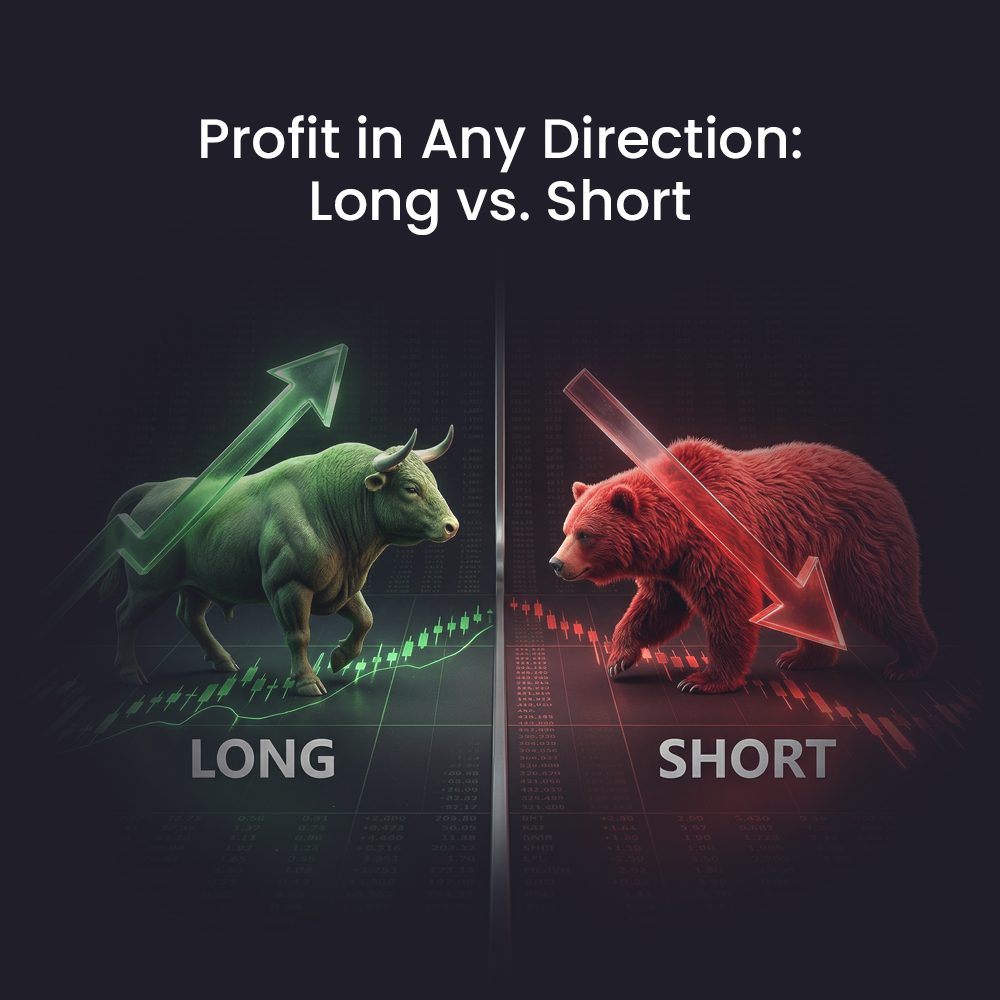
A long trade is placed when a trader expects a currency pair to rise
-
A short trade is placed when a trader expects a currency pair to fall
Forex trading allows traders to profit in both rising and falling markets.
Forex Leverage and Margin Explained
What Is Leverage in Forex Trading?
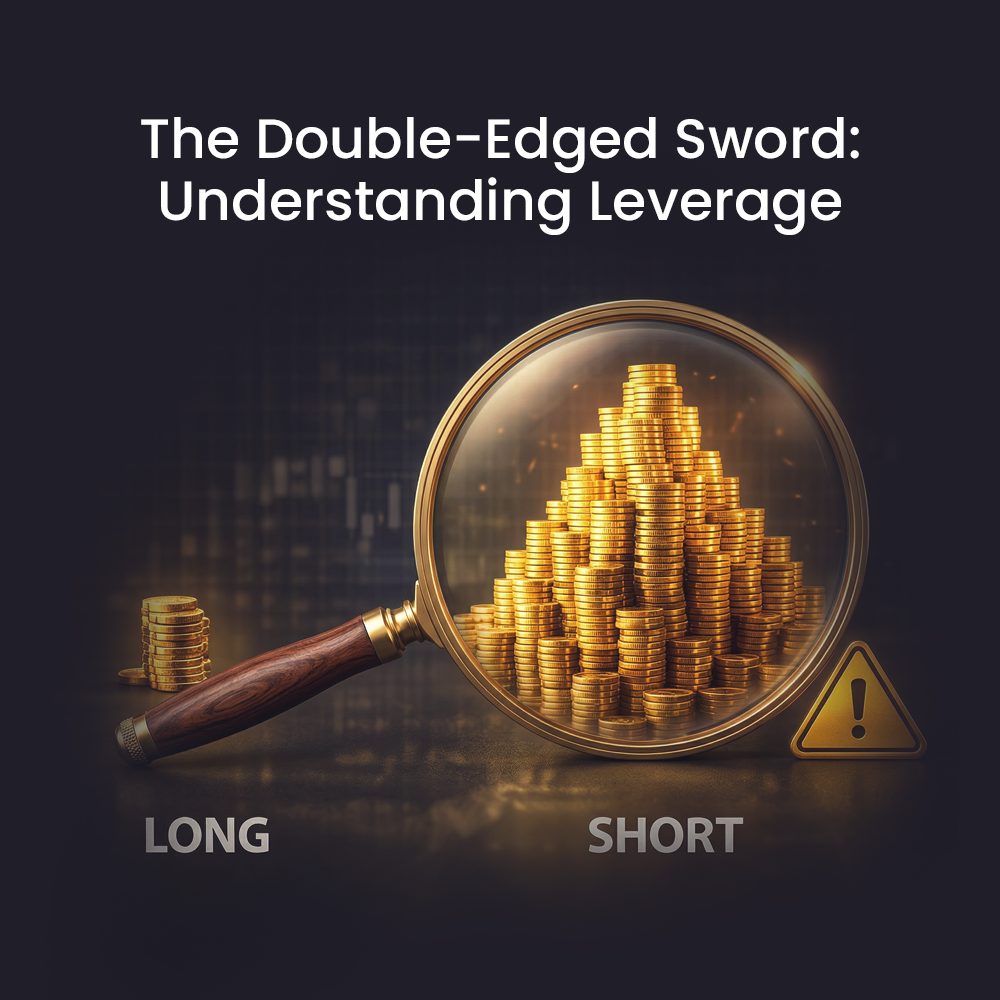
Leverage allows traders to control larger positions with a smaller amount of capital. Brokers provide leverage to increase market access, but it significantly amplifies both gains and losses.
Risks of Using Leverage in Forex Trading
While leverage can increase profits, it also increases risk. Poor risk management can result in rapid losses, making leverage one of the most critical concepts for beginners to understand.
Is Forex Trading Risky?
Forex trading involves several risks, including:
-
Market volatility
-
Leverage-related losses
-
Emotional and psychological pressure
-
Lack of proper risk management
Successful Forex trading requires education, discipline, and a structured approach to risk.
Forex Trading vs Other Financial Markets
Forex differs from other markets in several ways:
-
Compared to stocks, Forex offers higher liquidity and longer trading hours
-
Compared to commodities, Forex focuses on currency valuation rather than physical assets
-
Compared to cryptocurrency markets, Forex is more regulated and generally less volatile
Each market has unique characteristics, and understanding these differences helps traders choose suitable opportunities.
How Beginners Can Start Forex Trading
Learn the Basics
Education is the foundation of Forex trading. Beginners should focus on understanding market mechanics, terminology, and basic strategies.
Choose a Forex Broker
Selecting a regulated broker with a reliable trading platform is essential. Factors such as spreads, execution speed, and platform features should be carefully considered.
Practice With a Demo Account
Demo accounts allow beginners to practice trading without risking real money. This step is crucial for building confidence and refining strategies.
Start With Risk Management
Beginners should use small position sizes, apply stop-loss orders, and avoid excessive leverage to protect their capital.
Final Thoughts on Forex Trading for Beginners
Forex trading is a global financial activity that offers significant opportunities for those willing to learn and practice disciplined trading. While the market is accessible and liquid, it also carries risks that must be managed carefully.
By understanding how the Forex market works, learning key concepts, and approaching trading with patience and structure, beginners can build a strong foundation for long-term participation in the Forex market.
For a deeper and more advanced understanding, traders should continue exploring comprehensive Forex resources and structured trading guides.
